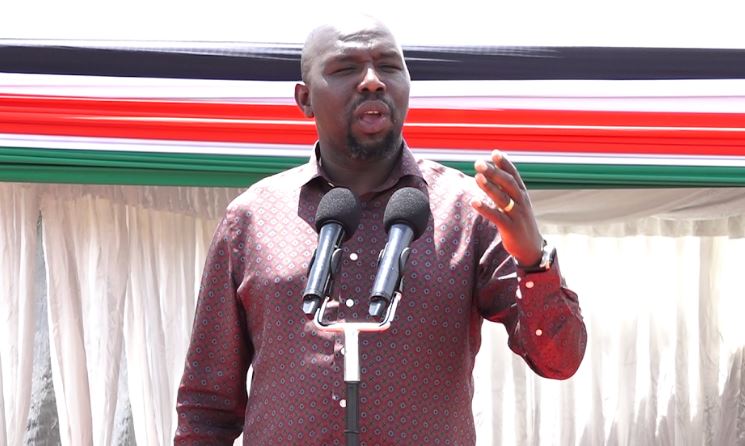
Cabinet Secretary for Interior and National Administration Kipchumba Murkomen has defended President William Ruto’s vision statement delivered on Thursday evening, describing it as a bold and transformative roadmap that demonstrates the President’s commitment to the country’s long-term development.
Murkomen’s remarks come amid criticism from a section of political leaders and Kenyans who have questioned the proposed post-Vision 2030 blueprint, arguing that it does not adequately address the country’s immediate economic challenges and governance concerns.
Speaking during a fundraising event at Kagaari Secondary School in Runyenjes Constituency, Embu County, on Friday, the Cabinet Secretary dismissed the criticism, saying the President’s vision reflects the qualities of a statesman focused on securing Kenya’s future through long-term planning.
He said meaningful national transformation requires leaders who look beyond immediate political interests and invest in policies that promote sustainable economic growth and development for future generations.
According to Murkomen, President Ruto has articulated a clear development agenda that should unite Kenyans behind a common national vision rather than become the subject of political contestation.
“The President’s vision outlines a roadmap for a prosperous Kenya. It is a long-term development agenda that deserves the support of all Kenyans because it seeks to secure a better future for generations to come,” he said.
The Cabinet Secretary criticized leaders who had dismissed the President’s address, accusing them of politicizing national development instead of offering constructive alternatives to the country’s challenges.
He maintained that the Kenya Kwanza administration remains focused on implementing programmes and projects aimed at improving livelihoods, expanding infrastructure and strengthening economic growth.
Murkomen also expressed confidence that President Ruto would seek a second term in the 2027 General Election on the strength of his administration’s development record.
He said voters would ultimately judge the government based on the projects and programmes implemented during its tenure, rather than political rhetoric.
The Interior CS urged political leaders and wananchi to reject tribal politics and instead embrace issue-based leadership that promotes national unity and development.
He said Kenya’s progress depends on leaders who place the country’s interests above ethnic and personal considerations.
At the same time, Murkomen called on residents of the Mt. Kenya region to support Deputy President Prof. Kithure Kindiki, describing him as a key pillar of the Kenya Kwanza administration.
He said political leadership is built on mutual support and loyalty, adding that continued backing from the region would strengthen the Deputy President’s role within government.
Murkomen further warned individuals sponsoring or mobilizing criminal gangs and goons to engage in violence and other unlawful activities that the government would take firm action against those found culpable.
By Samuel Waititu