The County Government of Nakuru has reactivated 16 Primary Care Networks (PCN) in a move aimed at improving access to drugs and health care services.
County Executive Committee Member (CECM) for Health Ms Roselyn Mungai noted that strengthening primary healthcare (PHC) was crucial for achieving universal health coverage (UHC), adding that the new PCN framework will ensure quality primary healthcare services were available and accessible to the population.
She said her department had resumed the implementation of Primary Care Network (PCN) activities following the successful completion of a strategic coordination review that was aimed at enhancing efficiency, strengthening collaboration, and maximizing the impact of health interventions across the county.
“With the reactivation of PCNs, we can expand access to quality PHC and intensify PCN rollout to achieve UHC as per the national requirement, “MS Mungai added.
Primary Care Networks (PCNs) are local organizations set up to improve patient care in their regions and make primary healthcare more efficient and effective. This is a strategic approach developed by the national government to establish connections between health facilities and the community.
This initiative, driven by the national government in collaboration with counties and development partners, aims to revolutionize healthcare delivery by establishing PCN in all 47 devolved units.
PCN emphasizes integrated, comprehensive, continuous and coordinated care focusing on health promotion, disease prevention, treatment, rehabilitation and palliative care.
Ms Mungai said the devolved unit’s health department was scaling up PCN implementation and will employ strategic communication and advocacy tools to guide PHC/PCN efforts moving forward.
She said the journey underscores the County government’s commitment to ensuring high-quality and affordable healthcare for all, thereby contributing to the global agenda of Universal Health Coverage.
The networks integrate various levels of healthcare delivery and coordinate multidisciplinary health teams to ensure comprehensive and coordinated care, she elaborated.
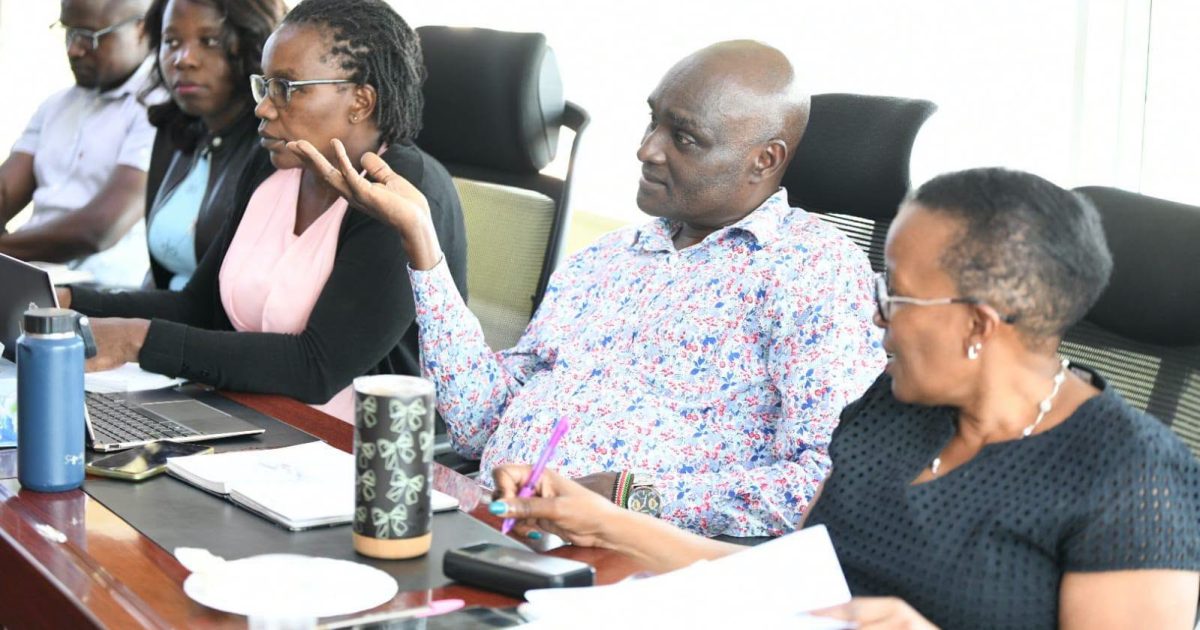
Speaking when she held a progress review meeting with the PCN teams from the County, Ms Mungai stated that the PCNs will be run by Multidisciplinary Teams (MDTs) who will conduct regular outreach in the community, forming various support groups to help patients with better access to health care services and management.
She was happy that the initiative was greatly benefiting Nakuru residents by ensuring consistent access to necessary healthcare, improving patient support, and enhancing overall community health.
“Primary Healthcare is the cornerstone of the healthcare system, providing essential health services that are universally accessible to individuals and families in the community,” she pointed out
Ms Mungai disclosed that Under the new coordination mechanism, all multidisciplinary outreach activities and planned PCN interventions will be coordinated through the office of the Director of Public Health, Ms Elizabeth Kiptoo, to strengthen planning, implementation, and accountability.
While saying that the renewed approach was expected to improve service delivery, enhance collaboration across health programmes, and ensure communities receive integrated, high-impact primary healthcare services closer to home, the CECM called for harmonized coordination to ensure that outreach programmes and other PCN activities were aligned with county health priorities, eliminate duplication, and optimize the use of available resources.
She observed that Primary Healthcare was not just the first level of contact with the health system but also the foundation for a healthy society, addressing the majority of an individual’s health needs throughout their life.
The CECM said Primary health care was rooted in its potential to address fundamental health needs and improve overall health outcomes through a holistic and community-oriented approach.
She indicated that the PCN model goes beyond traditional healthcare delivery representing a holistic reimagining of healthcare services as these networks are poised to address most of an individual’s health needs throughout their life, offering a more integrated, accessible, and practical approach to health and wellbeing.
Ms Mungai said the model aligns with global health priorities, including the Sustainable Development Goals (SDGs), particularly Goal 3, which focuses on ensuring healthy lives and promoting well-being for all at all ages. He added that it also addresses other related SDGs such as reducing inequalities and promoting gender equality by ensuring that women, children and the marginalized groups have better access to healthcare.
With significant healthcare access and quality disparities between urban and rural areas and different socio-economic groups, the CECM said PCNs offer a chance to bridge these gaps by bringing quality healthcare closer to the people, particularly in underserved areas.
She added that one of the key advantages of PCNs is their focus on preventive and curative care and that integrating these aspects, the model promises to improve health outcomes by preventing illnesses from occurring in the first place and treating them when they, unfortunately, do.
The CECM noted that the PCN model fosters a more patient-centered approach to healthcare as it focuses on the needs and circumstances of individual communities and allows the networks to provide more tailored and effective health services.
This approach, she said was essential in a country as diverse as Kenya where healthcare needs could vary widely from one community to another, making PCNs community-centered hubs that reflect and respond to the specific health needs of the local populace.
Ms Mungai indicated that PCNs, by offering an efficient, integrated and affordable healthcare system, are heralding a new era of healthcare delivery.
By Esther Mwangi