Healthcare, education and infrastructure have emerged as the biggest winners in Narok County’s Sh16.74 billion budget for the 2026/2027 financial year.
The three sectors bagged a bigger chunk of the budget when the county unveiled an ambitious spending plan aimed at accelerating economic growth, improving service delivery and strengthening climate resilience.
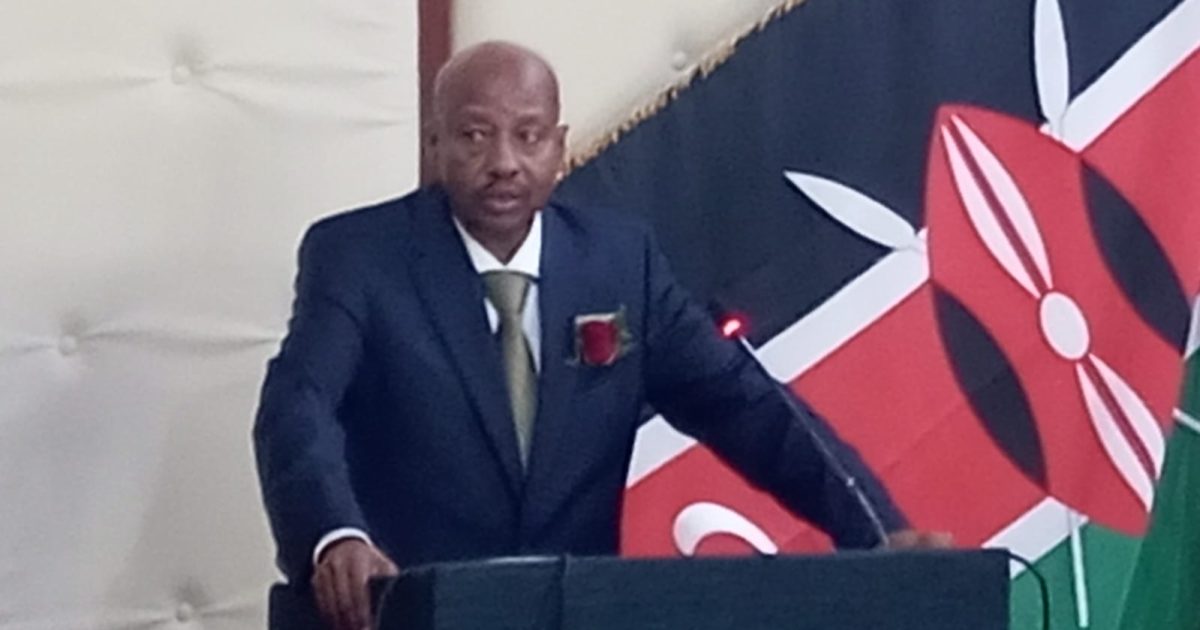
Presenting the budget estimates before the Narok County Assembly during a special sitting, County Executive Committee Member (CECM) for Finance and Economic Planning David Ole Muntet said the budget had been carefully designed to stimulate economic recovery while addressing the needs of residents across all sectors.
Muntet said the budget aligns with the County Integrated Development Plan (CIDP) 2023–2027 and Kenya Vision 2030, noting that it was formulated amid global economic uncertainties arising from conflicts in Eastern Europe and the Middle East.
“Despite the global economic hardship, we anticipate moderate growth in Narok County supported by investment in infrastructure, agriculture, agribusiness and livestock sectors, with continued focus on climate resilience initiatives and green economic transition,” said Muntet.
He said the county government remains committed to prudent fiscal management and strengthening local revenue collection through legislative and administrative reforms.
To enhance revenue generation, the county plans to fast-track the enactment of the Narok County Revenue Administration Bill 2025, the Narok Trade Licensing Bill 2025 and the Narok County Agricultural Produce Sales Bill 2025.
According to the budget estimates, Sh5.9 billion has been allocated for personnel emoluments, Sh5.2 billion for operations and maintenance, while Sh5.5 billion has been earmarked for development expenditure.
The County Assembly has been allocated Sh1.08 billion to support its legislative and oversight functions. The allocation includes Sh927 million for recurrent expenditure and Sh153 million for development projects aimed at improving assembly facilities.
The health sector emerged as one of the largest beneficiaries, receiving about 25 percent of the total county budget.
The sector has been allocated Sh395 million for medical drugs, Sh155 million for non-pharmaceutical supplies, Sh30.7 million for maintenance of medical equipment, Sh35.8 million for immunization programmes and Sh100 million for ambulances and transport services.
Additionally, the county has set aside Sh1.19 billion to complete ongoing health projects and upgrade medical facilities across the county.
“We are optimistic that these investments will strengthen healthcare delivery, improve access to quality medical services and enhance the overall well-being of our residents,” said Muntet.
The education sector will receive Sh203 million for rehabilitation and improvement of Early Childhood Development Education (ECDE) infrastructure, while Sh468 million has been allocated for bursaries targeting students from vulnerable and low-income households.
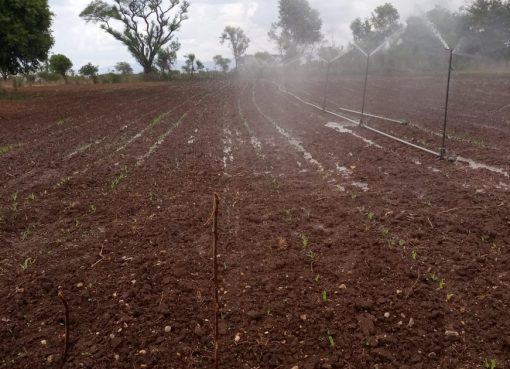
In efforts to enhance environmental sustainability and climate adaptation, the county government has allocated Sh188 million for climate resilience programmes.
Muntet thanked development partners, including the World Bank, for providing an additional Sh180 million to support climate change mitigation and adaptation initiatives.
“As we conclude, I must point out that these estimates reflect a balanced budget and adhere to the fiscal responsibility principles provided under the Public Finance Management Act, 2012,” he said.
The Finance CECM thanked Governor Patrick Ole Ntutu, Deputy Governor Tamalinye Koech, members of the County Assembly, county staff and residents for their contribution during the budget-making process.
He noted that views collected during public participation forums played a key role in shaping the county’s spending priorities and expressed confidence that the allocations would stimulate economic growth, create jobs and improve livelihoods.
However, youth representatives raised concerns over the absence of a specific allocation for youth programmes in the budget.
Youth Chairman Lerionka Kibelekenya urged the county government to prioritize the youth sector in future budgets.
“We look forward to the youth sector being considered in future budget allocations to enable implementation of youth-focused programmes,” said Kibelekenya.
By Hillary Shimnagha and Emily Kadzo