Officials from Social Health Authority (SHA), the State Department for Public Service, and the Union of Kenya Civil Servants have intensified sensitization campaigns targeting civil servants and residents of Marsabit County to register and utilize the Social Health Insurance medical cover.
The campaign comes amid concerns over low registration rates in the county and growing reports that some beneficiaries are experiencing difficulties accessing healthcare services due to incomplete registration and ignorance about how the scheme operates.
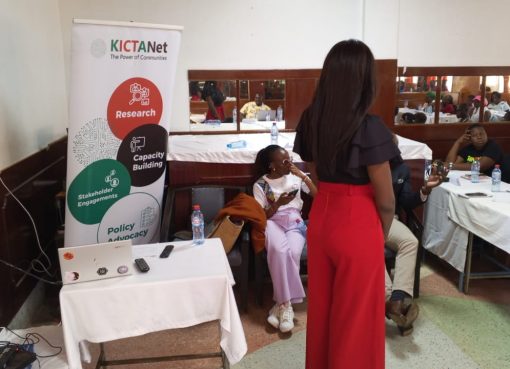
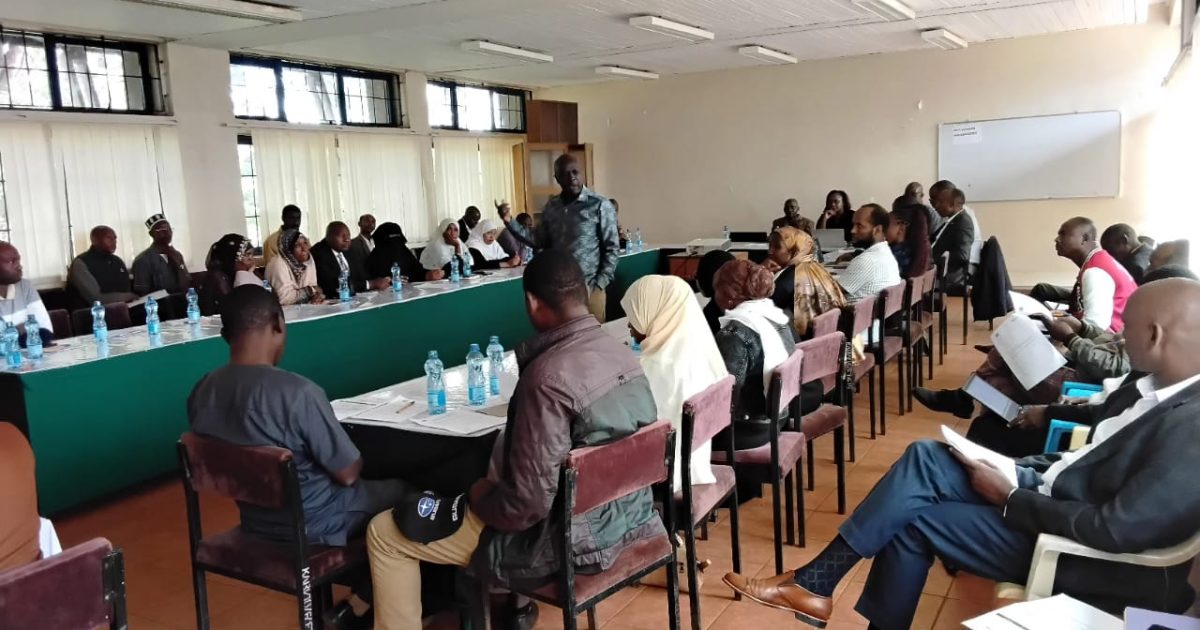
Speaking during a sensitization forum held at Kenya Agriculture and Livestock Research Organization (KALRO) offices Marsabit, attended by civil servants drawn from various national government ministries and agencies in Marsabit, SHA Deputy Director for Registration and Compliance, Floridah Mbogori called on all SHA members experiencing challenges while seeking medical services to seek assistance from SHA offices and other relevant government agencies.
Mbogori emphasized that the government remains committed to ensuring that all registered members benefit from quality healthcare services under the SHA programme and urged beneficiaries not to remain silent whenever they encounter obstacles while accessing treatment.
She noted that the forum was intended to create awareness, get feedback from public servants, and address concerns surrounding the implementation of the State health scheme.
According to Mbogori, SHA is one of the government’s key healthcare reforms, aimed at ensuring that every Kenyan has access to affordable and quality healthcare services without suffering financial hardship.
She urged civil servants to become ambassadors of the programme by educating their families, friends, and communities about the benefits of registering for the scheme.
“The success of SHA depends on public participation and understanding. We want every Kenyan to know the benefits of the scheme and how they can access services whenever they require medical attention,” she said.
Mbogori further called upon health officials and National Government Administrative officers (NGAo), including chiefs and assistant chiefs, to intensify public sensitization campaigns across the county to boost registration and utilization of the medical cover.
She noted that families should not continue to struggle with healthcare costs, noting that those registered with SHA are able to access treatment without incurring huge medical expenses.
The Compliance deputy director added that SHA is designed to guarantee access to a broad range of healthcare services, ensuring that Kenyans receive the medical care they require without financial constraints.
The sensitization exercise also provided an opportunity for civil servants to learn more about the benefits available under the Public Service Scheme and how the programme is integrated with SHA.
Director of Human Resources Management at the State Department for Public Service, David Ayieko, said the government had embarked on a nationwide sensitization programme targeting public servants to ensure they understand how to utilize their medical cover effectively.
Ayieko explained that the visit to Marsabit was part of an ongoing monitoring and evaluation exercise aimed at assessing the effectiveness of the medical scheme and identifying challenges experienced by beneficiaries while accessing healthcare services.
“We are here to understand how civil servants are benefiting from the scheme, the challenges they face, and the quality of services they receive from healthcare providers,” said Ayieko.
“The information collected from these forums will help both SHA and the State Department for Public Service improve service delivery and address emerging issues affecting beneficiaries.”
He noted that one of the major challenges affecting utilization of the scheme is the failure by some civil servants to complete their registration on the SHA portal or update their personal information.
According to Ayieko, every civil servant is required to register on the SHA platform and provide accurate details, including information about their spouse and children, to ensure that all eligible dependants are captured in the system.
He explained that after registration, employees must indicate their status as civil servants so that the system can correctly classify them under their respective ministries and departments.
“Many of the complaints we receive arise because some officers have not updated their bio data or registered their dependants. When they visit health facilities, their information may not appear in the system, leading to delays and misunderstandings,” he said.
Ayieko noted that some healthcare providers are also still adjusting to the new system, creating confusion among beneficiaries seeking treatment.
He encouraged civil servants to take personal responsibility for ensuring their registration details are accurate and up to date so that they can enjoy the full benefits offered by the government.
The human resource director emphasized that the government considers healthcare an important component of employee welfare and productivity.
“A healthy civil servant is a productive civil servant. When our employees are healthy, they are able to serve citizens more effectively and contribute to national development,” he said.
Ayieko urged officers who were unable to attend the sensitization forum to seek assistance from SHA officials, human resource officers, and departmental representatives to gain a better understanding of the scheme.
He also encouraged those who attended the training to share the knowledge acquired with colleagues who missed the event.
“We could not have all government offices closed at the same time to attend the forum. Those who participated should help educate others so that everyone benefits from the information shared,” he said.
The Union of Kenya Civil Servants also called for increased participation by public servants in efforts aimed at improving the scheme.
UKCS National Organizing Secretary, Wilson Asingo urged civil servants to provide honest feedback regarding their experiences while accessing healthcare services under SHA.
He noted that feedback from users remains critical in identifying areas that require improvement and ensuring that the scheme continues to meet the needs of beneficiaries.
“As a union, we want civil servants to openly share the challenges they face so that we can engage the relevant authorities and seek solutions,” said Asingo.
He called for continuous improvements of SHA services to guarantee quality healthcare services.
“A healthy worker serves better, and a strong healthcare system contributes to a stronger public service. We encourage all members to participate fully in sensitization forums and monitoring exercises,” he added.
Meanwhile, Marsabit Central Assistant County Commissioner, Richard Kong`a, expressed concerns over the county’s low performance in SHA registration.
The administrator revealed that Marsabit currently ranks 46th out of Kenya’s 47 counties in terms of SHA registration, with only 29 per cent of residents enrolled in the scheme.
He described the figures as worrying and called upon leaders, government officials, community elders, and residents to work together to improve registration numbers.
“It is unfortunate that Marsabit remains the lowest performing counties in SHA registration. This means a significant number of residents are missing out on the benefits provided by the scheme,” he said.
He urged residents to register as soon as possible, noting that healthcare costs can become overwhelming for families when illness strikes unexpectedly.
The administrator encouraged residents with livestock to consider investing part of their resources in healthcare by paying SHA premiums and appealed to children to assist elderly parents to maintain active membership.
Stakeholders at the forum expressed optimism that continued sensitization efforts will help address misinformation, improve understanding of the scheme, and increase enrollment across Marsabit County.
by Anthony Melly and Sebastian Miriti