The World Health Organization (WHO) on Wednesday released updated global guidelines on reducing the risk of cognitive decline and dementia.
Dementia is currently the seventh leading cause of death and one of the major causes of disability and dependency among older people globally; it affects memory, thinking and the ability to perform daily activities.
The multilateral donor, in a statement today, says that up to 45 per cent of dementia cases could be prevented or delayed by addressing modifiable risk factors.
The new guidelines provide evidence-based recommendations for countries to integrate dementia prevention into health systems through healthier lifestyles, improved management of non-communicable diseases and reduced exposure to environmental risks.
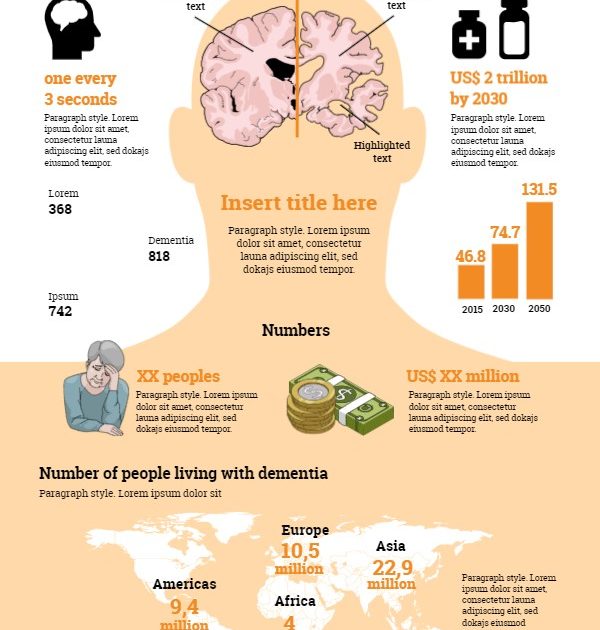
According to the WHO, more than 57 million people are living with dementia globally, with nearly 10 million new cases diagnosed each year. Alzheimer’s disease accounts for an estimated 60 to 70 per cent of all dementia cases.
WHO Director-General Dr Tedros Adhanom Ghebreyesus said the latest evidence provides countries with practical measures to protect cognitive health across the life course.
“We know more today than ever before about what drives dementia risk, and these guidelines translate that knowledge into action. Countries now have clear, evidence-based recommendations they can put into practice immediately to protect people’s cognitive health,” he said.
The guidelines identify tobacco use, harmful alcohol consumption, physical inactivity, social isolation, air pollution, high blood pressure and diabetes among the key modifiable risk factors associated with dementia.
WHO recommends regular physical activity, healthy diets, quitting tobacco, reducing alcohol consumption, staying socially engaged and participating in cognitive training and stimulation activities.
The guidelines also call for better management of hypertension, diabetes and high cholesterol, while recommending measures to reduce exposure to air pollution. Hearing aids may also be offered as part of dementia risk-reduction strategies.
However, the WHO advises against the routine use of vitamin B and E supplements, omega-3 fatty acids and multivitamins to prevent dementia in people without diagnosed deficiencies, citing insufficient evidence that the supplements provide benefits that outweigh potential risks.
The agency noted that the updated recommendations build on its 2019 dementia risk reduction guidelines and reflect growing scientific evidence linking healthy lifestyles and effective management of chronic diseases to improved brain health.
WHO estimates that dementia costs the global economy about US$1.3 trillion annually, with nearly half of the burden borne by unpaid family members and carers.
The organisation said wider adoption of the recommendations could help reduce the future burden of dementia while enabling people to live longer, healthier and more independent lives.
In Kenya, dementia is a growing, silent health crisis, with an estimated 258,000 older adults living with the condition. Care is heavily challenged by widespread stigma, misconceptions, and a lack of trained specialists, causing many patients to be diagnosed only in advanced stages.
There is no national policy on dementia in Kenya yet. However, the Ministry of Health, responsible for dementia detection and management, is actively working towards developing a National Dementia Plan for Kenya in collaboration with the World Health Organization, Alzheimer’s Dementia Organization Kenya (ADOK) and Africa Mental Health Research and Training Foundation (AMHRTF).
By Wangari Ndirangu