Media practitioners in Wajir County have been urged to take a leading role in the fight against Female Genital Mutilation (FGM), child marriage and other harmful cultural practices that continue to hinder the rights and development of girls.
The call was made during a media engagement forum organised by the Kenya Alliance for Advancement of Children (KAACR), under the ‘Future4Binti Initiative’, a five-year programme being implemented in Wajir and Mandera counties from 2026 to 2030.
The forum brought together journalists, digital content creators, radio broadcasters and freelance media practitioners, to discuss how the media can contribute to child protection efforts and promote positive social change within communities.
Speaking during the engagement, Timothy Ikesa, said the media plays a critical role in shaping public opinion and influencing behaviour change, particularly on issues affecting children and young girls.
Ikesa briefed participants on the objectives of the ‘Future4Binti’ programme, which seeks to eliminate FGM and child, early and forced marriages, while promoting girls’ education, gender equality and access to health and psychosocial support services.
“The media remains one of the most powerful tools for shaping public opinion and influencing social transformation. Journalists have a responsibility to amplify voices that advocate for the rights, safety and education of girls,” he said.
He noted that the initiative works closely with community elders, religious leaders, youth groups and other stakeholders to address deeply rooted social norms that perpetuate harmful practices and to encourage community-led solutions.
Participants were also taken through KAACR’s broader child protection agenda, which focuses on strengthening child protection systems, enhancing youth participation in governance, promoting child rights advocacy and improving digital safety for children and young people.
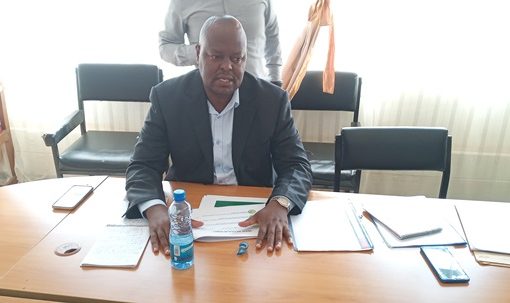
Addressing the forum, an Intergovernmental Coordination Officer, Bash Mohamed challenged journalists to use their platforms responsibly to educate communities on the dangers of harmful practices while adhering to ethical reporting standards.
“The media must take a central role in educating the public about the dangers of harmful practices. At the same time, journalists should uphold the highest standards of ethical reporting when covering sensitive issues involving children and vulnerable groups,” he said.
Mohamed emphasized the need for accurate and child-sensitive reporting, noting that responsible journalism can help influence attitudes, support advocacy efforts and protect the rights of vulnerable children.
KAACR, established in 1995, is a national umbrella organization representing more than 250 child-focused agencies across the country. The Organization works with government institutions, civil society organizations and international partners to advance children’s rights and welfare.
The Organization plans to expand efforts aimed at strengthening child rights networks, supporting family and community-based care systems, addressing child labour, promoting youth climate resilience and advancing campaigns against violence, exploitation and abuse of children.
Media practitioners pledged to support awareness campaigns and use their platforms to advocate for the protection, education and empowerment of girls and children across Northern Kenya.
by Hamdi Buthul