By D, KNA
Kirinyaga Members of the County Assembly have called for a countywide business census, in order to have accurate data on enterprises and to estimate the probable local revenue collection.
The local leaders asserted that it can also be a factor to stimulate growth of small and medium-sized enterprises (SMEs), in line with the Kenya Kwanza administration’s Bottom-Up Economic Transformation Agenda (BETA).
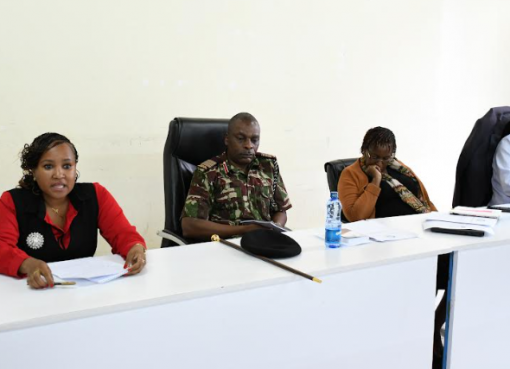
The proposal was raised during deliberations on the third quarter budget implementation and review report for the 2024/2025 financial year, which was tabled by the Finance and Economic Planning Committee chaired by Nyangati Ward MCA, Kenneth Ndambiri.
The MCAs expressed concern that underperformance in critical sectors undermines the county’s broader development agenda, which is anchored on improved service delivery and sustainable economic growth.
Mr Ndambiri, in moving the motion, argued that the county could not rely on guesswork when it comes to mobilising resources. He stressed that without reliable data on the size, type, and distribution of businesses, the county’s revenue targets would remain in jeopardy.
“A business census will give us an accurate map of the enterprises that drive our local economy. It will help the county identify growth areas, ensure fairness in taxation, and design targeted support programmes for entrepreneurs. In the long run, this will widen our revenue base and reduce the over-reliance on external funding,” he explained.
The call resonated with other members, who emphasized that the business census would not only be about revenue collection but also about supporting entrepreneurship at the grassroots.
Ms Grace Kamau highlighted that the health sector had emerged as the largest source of own-source revenue, contributing 17 percent of total collections through user fees and the Health Facilities Improvement Fund. She said this demonstrated how structured systems could sustainably raise resources without overburdening citizens.
“If the health department can collect sustainably and plough back into facilities, then other sectors like agriculture, lands, and transport can do the same. What we need is structured, reliable data to inform such models,” she remarked.
Mr Peter Karinga, on his part, decried persistent gaps in revenue mobilization across the Lands, Transport, and Agriculture departments, sectors he described as “low-hanging fruits” that remain underutilized. He called for the recruitment of additional revenue officers to boost efficiency, reduce leakages, and maximise collection.
Meanwhile, Ms Caroline Wanjiku underscored the importance of motivating officers in the revenue department, observing that morale was critical in ensuring accountability and commitment to duty. She added that the business census would be transformative as it would provide accurate data to guide taxation and ensure every enterprise contributes fairly to the county’s growth.
Beyond fiscal matters, the Assembly agreed that the census could be a powerful policy tool for empowering small and medium enterprises. With SMEs employing thousands of residents across the county, legislators said their growth is central to the Kenya Kwanza administration’s Bottom-Up Economic Transformation Agenda, which seeks to uplift households through enterprise and job creation.
“SMEs are the backbone of our economy. Once we know their exact number, size, and challenges, we can provide tailored interventions such as training, access to affordable credit, and market linkages. This is how we turn revenue collection into development support,” one MCA noted during debate.
The legislators emphasised that by identifying opportunities and challenges within the business ecosystem, the census would enable the county to formulate policies that make entrepreneurship more rewarding. This includes simplifying licensing, eliminating multiple levies that discourage startups, and designing programs that nurture local talent.
The move also ties directly to the national government’s vision of fostering inclusive growth through the Bottom-Up Economic Transformation Agenda, which prioritises agriculture, MSMEs, housing, healthcare, and digital infrastructure. By supporting SMEs, counties can play their part in creating a more resilient and diversified economy.
The Assembly resolved to push for the inclusion of the business census in the coming financial year as both a revenue enhancement strategy and a development enabler. Members expressed optimism that with accurate data, counties could shift from narrow revenue mobilization strategies to a more holistic approach that balances fiscal sustainability with enterprise support.
If adopted, the business census will mark the first time the county undertakes a comprehensive mapping of its business ecosystem.
MCAs expressed confidence that it would serve as a foundation for long-term economic planning, ensuring that revenue policies work hand-in-hand with strategies to empower local entrepreneurs and create jobs.