After years of lack of access to clean water and inadequate sanitation facilities, the Kisumu County government in partnership with the Habitat for Humanity Kenya has unveiled a new
toilet technology and water projects at Nyomwaru Primary School in Nyando Sub-County.
The institution now boasts flood-resilient sanitation facilities, reliable access to clean water, and improved hygiene standards, changes that teachers say have transformed both the learning environment and the lives of learners.
According to Fredrick Onyango Juma, a teacher at the school, the impact of the project has been profound in addressing the sanitation problems in the primary school and in the community.
Onyango pointed at frequent health complications among the pupils that significantly disrupted learning and affected academic performance.
“Before the water project, we had serious challenges. Learners had to carry drinking water from home because there was no reliable source at school. Many children frequently complained of stomach-related illnesses and several were often taken to health facilities for treatment,” he said.
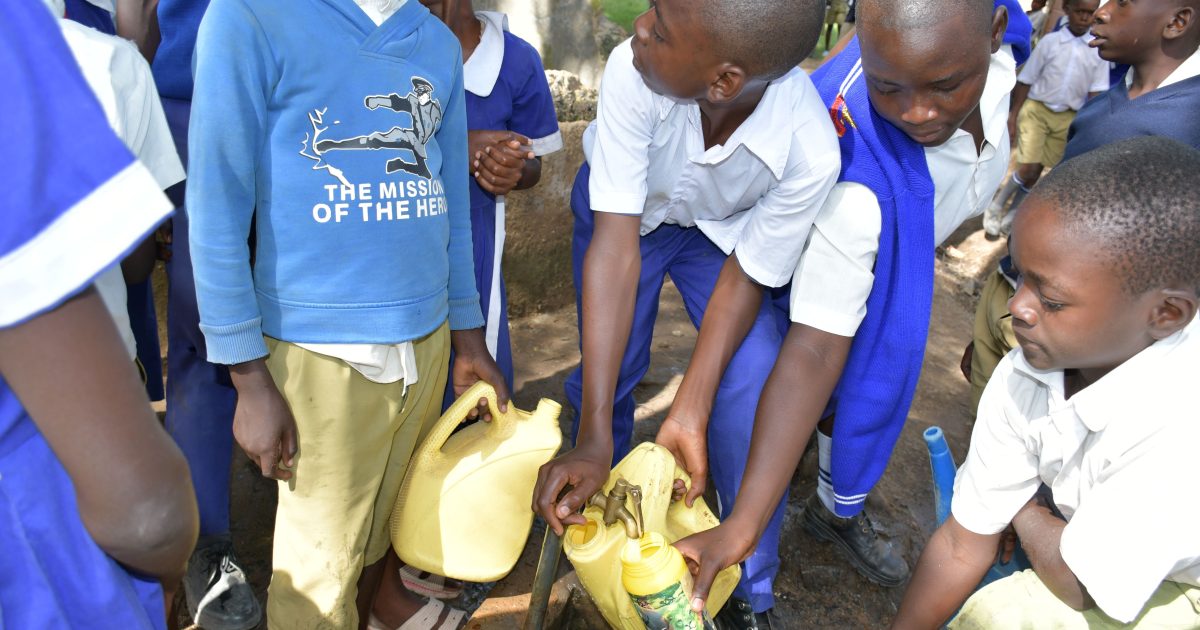
In an interview with Kenya News Agency at the school, the teacher noted that the introduction of clean water points within the school compound has significantly reduced such health concerns.
“Our learners now enjoy safe drinking water. Some even fetch water in containers for use during the day. Cases of waterborne illnesses have greatly reduced, and absenteeism has gone down,” Onyango noted.
Through the initiative, 14 modern door flood-resilient toilets for both girls and boys were constructed as an intervention in a region prone to flooding.
“The toilets are clean, safe and well maintained. They have greatly improved hygiene standards in the school. Our girls now have better facilities, which has helped create a more comfortable learning environment,” Juma added.
The improvements have coincided with a sharp rise in school enrolment. According to the teacher, the school population has grown from fewer than 500 learners to approximately 800.
“Parents have gained confidence in the school because of the improved facilities. More children are enrolling, and the learning environment is much better than before,” he said.
The project’s impact extends beyond infrastructure. Habitat for Humanity – a Non Governmental Organization supported the formation of environmental and health clubs, where learners receive training on hygiene, sanitation and environmental conservation.
The school also benefited from menstrual hygiene awareness programmes and the provision of sanitary towels, helping keep girls in school and improving their confidence.
“Our learners have become more aware of health issues and personal hygiene. These programmes have empowered them with knowledge that they can also share with their families,” Onyango explained.
The teacher recalled a time when frequent illness-related absences affected classroom performance and examination results.
Today, he says, learners are more consistent in class, leading to improved academic achievement.
“We used to struggle because many learners missed classes due to sickness. But after these interventions, performance has improved tremendously. We have seen more learners joining national high schools, and our ranking in the sub-county has greatly improved,” he said.
In addition to sanitation and water projects, the school now has a garden established through the initiative, providing practical learning opportunities and promoting environmental stewardship among learners.
“The program has changed our school and our community. We are grateful for the support because it has improved the lives of our learners and given them a better future,” Onyango said.
by Robert Ojwang’ and Wendy Awuor